Open Type Cooling Towers
-
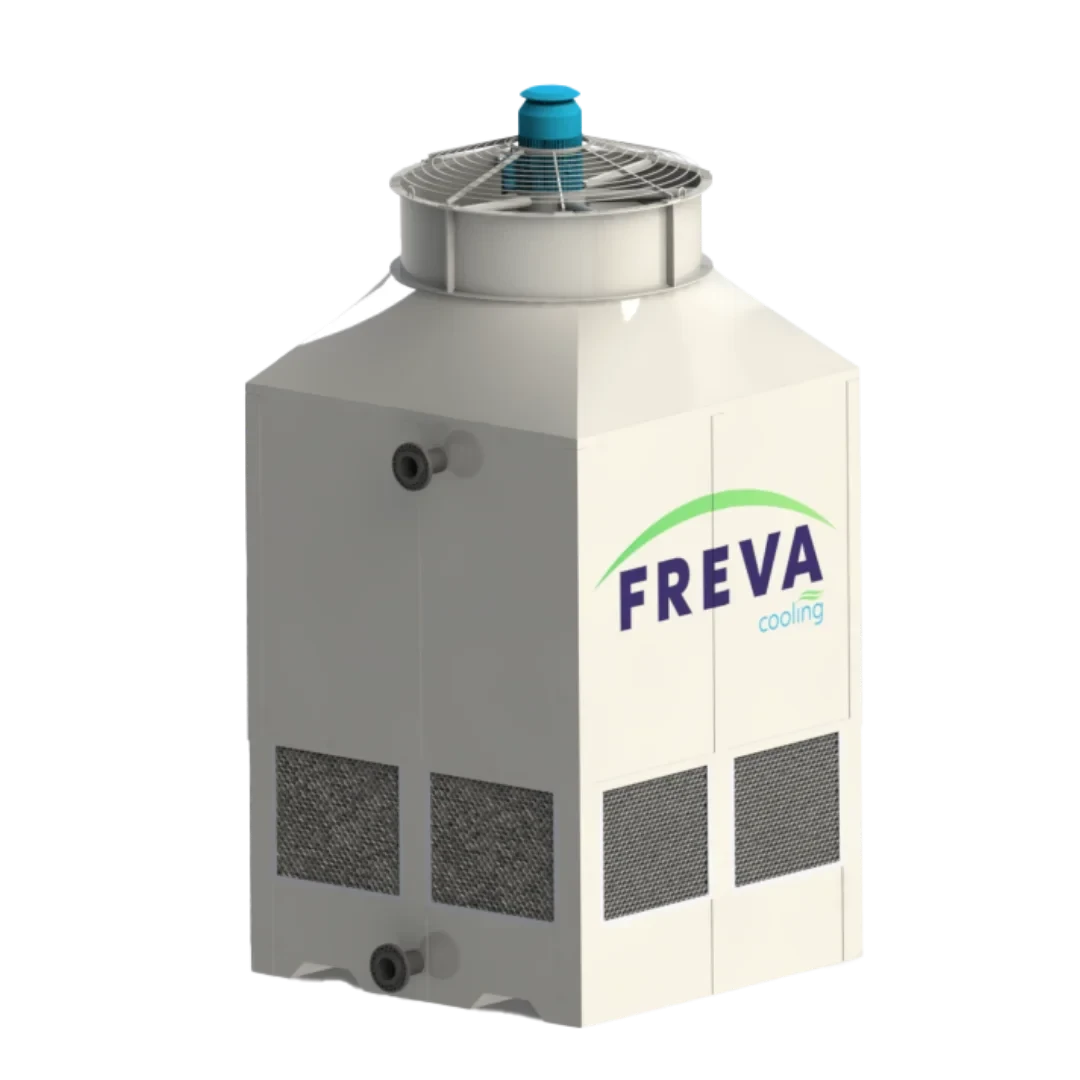 FRV Series FRP Open Cycle Water Cooling Towers
FRV Series CTP open-circuit cooling towers offer energy savings with high efficiency, ease of use, quiet fan options, and a broad model range.
-
 TAY Series Open Cycle Water Cooling Towers
TAY Series open-circuit cooling towers offer efficient solutions with low energy use, quiet fan options, and a wide model range.
-
 RTAY Series Radial Fan Open Cycle Water Cooling Towers
RTAY Series radial-fan open-circuit cooling towers combine high efficiency, quiet operation, and a wide model selection for energy savings.
Closed Type Cooling Towers
-
 TCY Series Closed Cycle Water Cooling Towers
TCY Series Closed Circuit Water Cooling Towers; a high-capacity industrial cooling solution with ultra-quiet fan option and container-sized design.
-
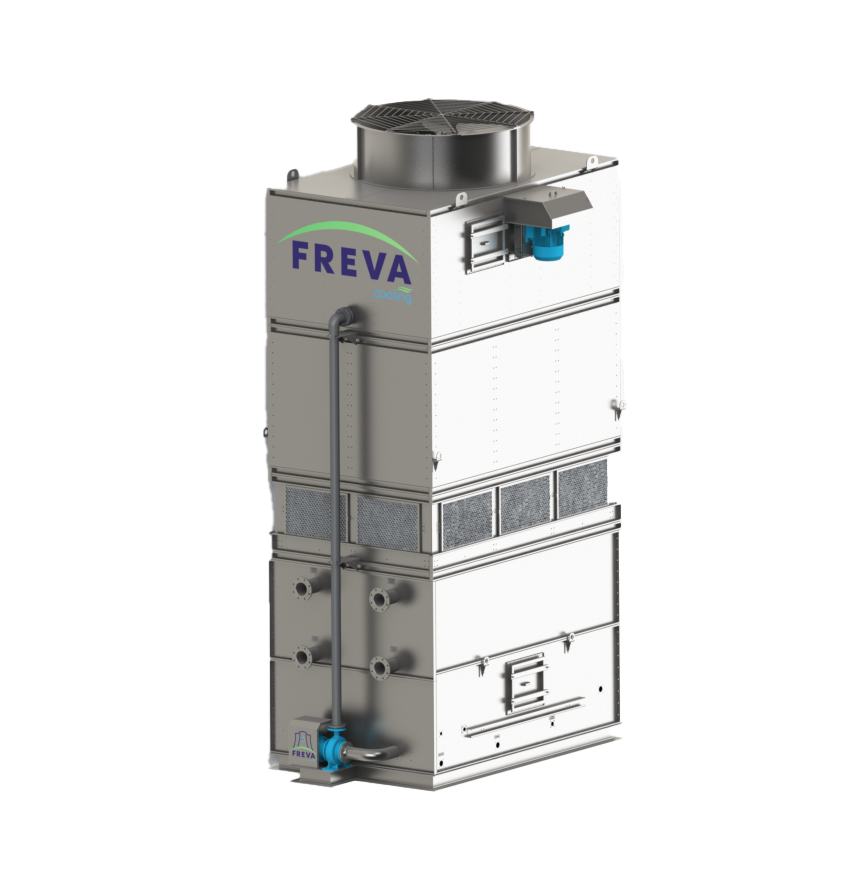 TY-SON Series Closed Cycle Water Cooling Towers with Filler Inserts
TY-SON Series; an ultra-quiet fan option and container-sized design make it a reliable choice for industrial cooling. Explore now!
-
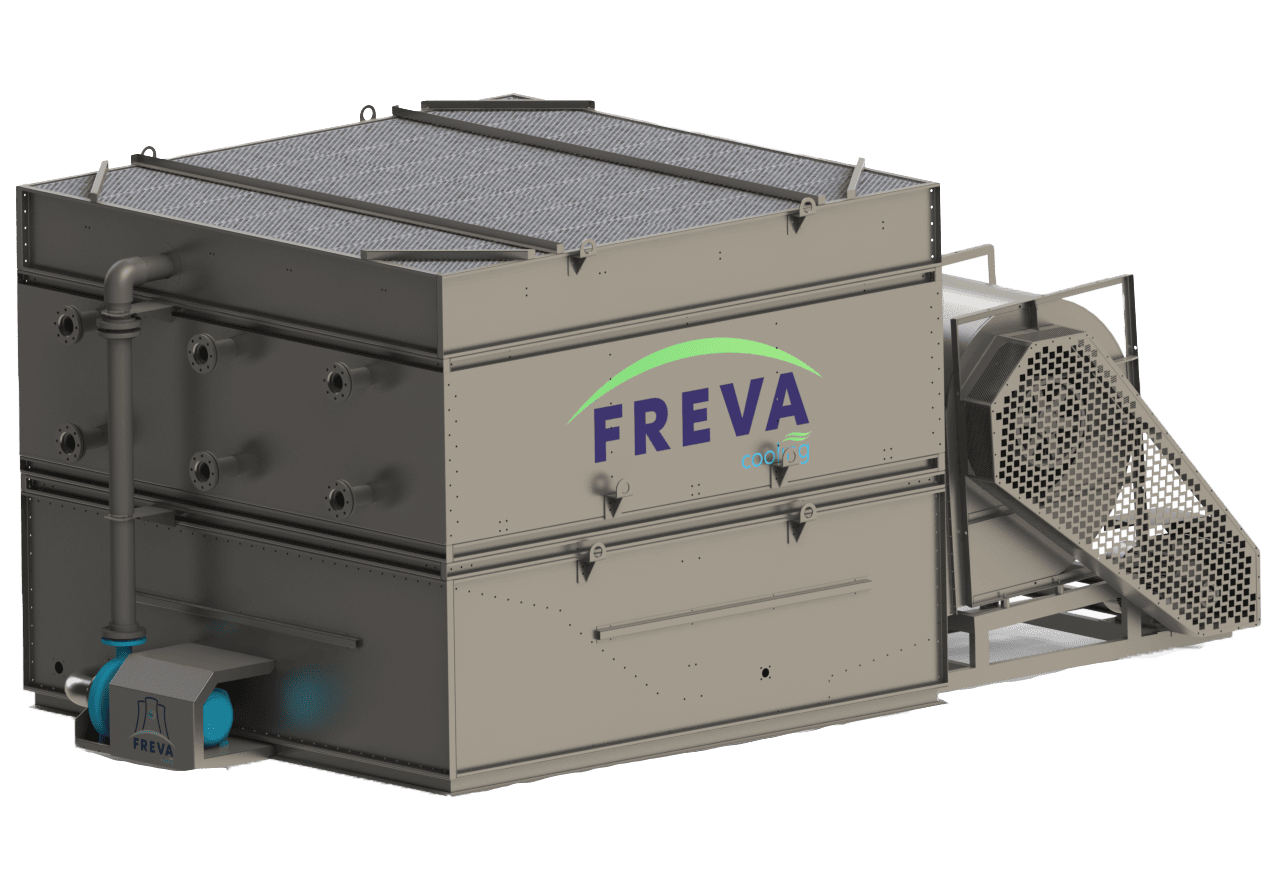 RTCY-M Series Radial Fan Closed Cycle Water Cooling Towers
RTCY-M Series: radial fans and closed-circuit technology isolate the process fluid from the ambient environment. Explore now!
Dry and Adiabatic Coolers
-
 RUBY Series V Type Adiabatic Coolers
RUBY Series V-type adiabatic coolers deliver energy-efficient, cost-saving solutions for businesses with a wide capacity range.
-
 RUBY Series H Type Adiabatic Coolers
RUBY Series H-type adiabatic coolers provide high efficiency and a broad capacity selection for energy savings.
Evaporative and Adiabatic Condensers
-
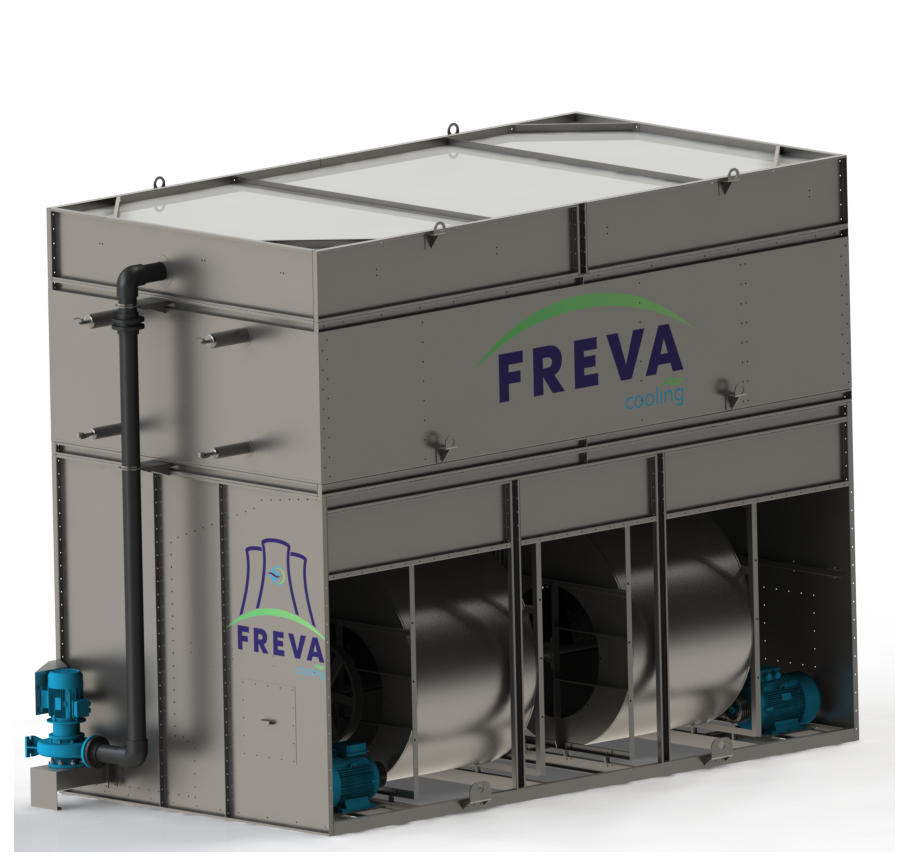 FEC Series Evaporative Condensers
Lower capital and operating costs than air-cooled condensers, while occupying up to 50% less space.